
A Changing Landscape of Modern Travel
The caravan industry has developed from a niche form of travel into a global lifestyle movement that combines adventure, flexibility, and modern living. As more people seek alternatives to traditional holidays, crowded tourist destinations, and fixed accommodation, caravans have become an increasingly popular way to explore new places while maintaining comfort and independence. The industry now represents a diverse market that includes leisure travel, family holidays, long-term touring, and even mobile living solutions.
The Appeal of Freedom and Flexibility
At its core, the caravan industry is built around the idea of freedom. Unlike conventional holidays that require fixed schedules and accommodation bookings, caravanning allows travellers to create their own routes and experiences. Owners can choose when and where to travel, stay closer to nature, and discover locations that may be difficult to access through traditional tourism. This sense of independence has been one of the main reasons behind the industry’s continued growth.
From Simple Shelters to Modern Mobile Homes
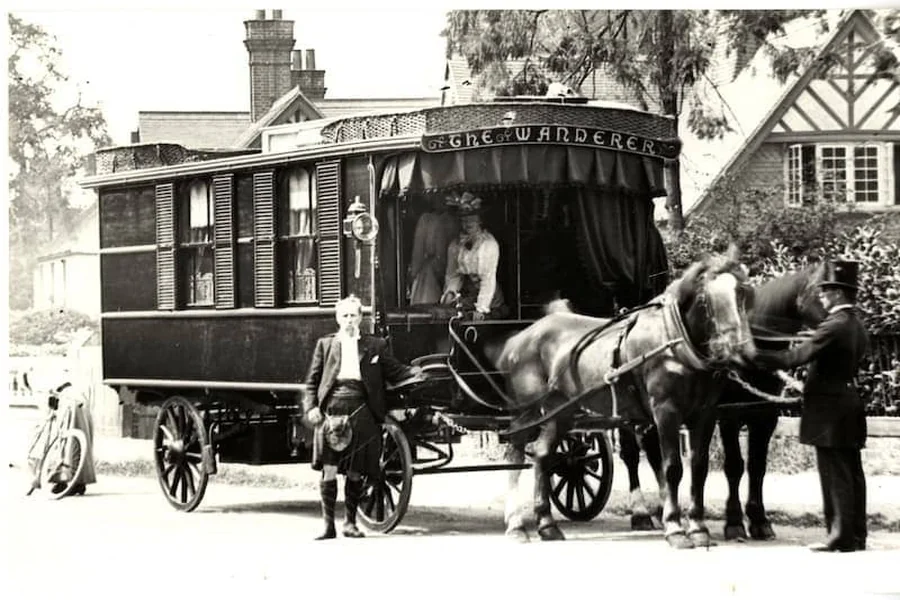
The origins of caravanning can be traced back to simple horse-drawn travel homes, which provided basic shelter for travellers moving between locations. Over time, improvements in transportation, manufacturing, and design transformed caravans into comfortable recreational vehicles equipped with sleeping areas, kitchens, bathrooms, and advanced technology. Today’s caravans are designed to offer many of the conveniences found in modern homes while remaining compact and easy to transport.
Changing Attitudes Toward Exploration
One of the major factors influencing the caravan industry is the changing attitude toward travel. Many travellers are moving away from short, highly structured holidays and looking for more meaningful experiences. Spending time outdoors, exploring rural areas, and travelling at a slower pace have become increasingly attractive. Caravans provide a practical solution for people who want to combine adventure with the security of having their own personal space.
A Growing Market for Different Generations
The industry has also benefited from increased interest among different age groups. Traditionally associated with retirees and experienced travellers, caravanning now appeals to younger generations, families, and remote workers. The ability to work from different locations has created new opportunities for mobile lifestyles, allowing some individuals to combine professional responsibilities with travel. This shift has expanded the market and encouraged producers to create more versatile and technology-focused designs.
Innovation in Caravan Design and Construction
Innovation plays a significant role in the development of modern caravans. Manufacturers and designers continue to focus on improving efficiency, comfort, and sustainability. Lightweight construction materials help reduce fuel consumption, while improved insulation and energy systems allow caravans to operate more effectively in different environments. In regions such as Australia, caravan chassis manufacturers Melbourne and surrounding areas contribute to the development of strong and reliable foundations that support the safety and durability of modern caravan designs.
The Move Toward Sustainable Travel
Sustainability has become one of the most important discussions within the caravan industry. As awareness of environmental issues grows, both consumers and producers are seeking ways to reduce the impact of travel. Smaller and more efficient designs, renewable energy features, and responsible travel practices are helping shape the future of caravanning. Many travellers are also choosing caravans because they can reduce the environmental costs associated with large hotels, frequent flights, and heavily developed tourist areas.
Technology Transforming the Caravan Experience
The growth of digital technology has further changed the caravan experience. Modern travellers use digital tools to plan routes, locate suitable stopping areas, manage travel expenses, and stay connected while on the road. Connectivity has become an important consideration, especially for people who use caravans for extended periods. Reliable communication systems and smart features have made mobile travel more practical than ever before.
The Importance of Travel Infrastructure
Infrastructure development has also contributed to the expansion of the caravan industry. Caravan parks, camping facilities, and dedicated travel networks have improved significantly in many regions. Better facilities, improved access, and increased acceptance of recreational vehicles have encouraged more people to consider caravanning as a realistic holiday option. Tourism authorities in many areas now recognise the economic value of caravan travellers, who often support local businesses during their journeys.
Challenges Facing the Caravan Industry
Despite its growth, the caravan industry faces several challenges. Rising production costs, economic uncertainty, and changing regulations can affect both manufacturers and consumers. In addition, access to suitable travel spaces and concerns about environmental impact require ongoing attention. The industry must continue adapting to meet customer expectations while addressing broader social and environmental responsibilities.
The Demand for Personalised Caravan Solutions
Another important trend is the increasing demand for customisation. Travellers have different needs depending on their lifestyles, destinations, and travel habits. Some prefer compact designs that are easy to tow, while others require larger spaces suitable for extended stays. This demand for personalisation has encouraged greater variety in caravan design and has made the industry more responsive to individual preferences.
The Future Direction of Caravanning
The future of the caravan industry appears closely connected to broader trends in tourism, technology, and sustainable living. As people continue to value experiences, flexibility, and outdoor exploration, caravans are likely to remain an important part of the travel landscape. Advances in design and energy efficiency will continue to improve comfort and reduce environmental impact, while changing lifestyles may create new opportunities for mobile living.
A Lifestyle Built Around Discovery
Ultimately, the caravan industry represents more than just a method of transportation or accommodation. It reflects a growing desire for independence, exploration, and a closer connection with the world around us. From weekend adventures to long-term journeys, caravans provide people with the ability to travel on their own terms. As the industry continues to evolve, it will remain an important part of modern travel culture, offering new possibilities for discovery and personal freedom.