

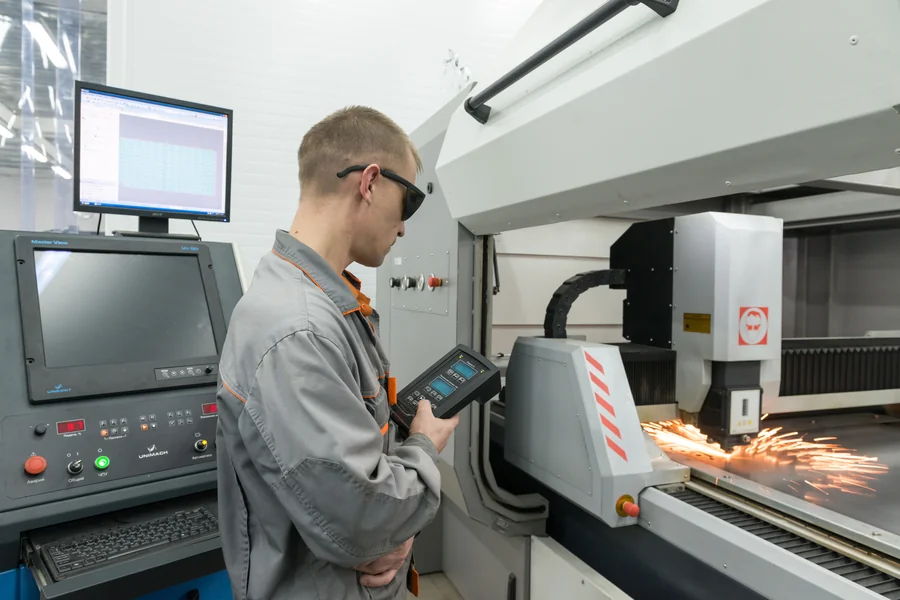
Precision has become increasingly important in modern metalworking as manufacturers face growing demands for efficient production and consistent results. Traditional cutting and fabrication methods can still serve many applications, but advances in laser technology are changing how businesses approach metal processing. Fiber laser solutions, in particular, offer a combination of speed, accuracy, flexibility, and consistent performance that can improve production across a wide range of metalworking operations.
In this blog post, we’ll explore how fiber laser solutions are transforming precision metalworking. Read on!
Improving Cutting Accuracy
One of the most significant advantages of fiber laser technology is its ability to produce highly precise cuts. The focused laser beam can follow detailed cutting paths with exceptional control, allowing manufacturers to create intricate shapes and tight tolerances. This level of precision can reduce dimensional inconsistencies and help ensure that finished components meet exact specifications.
Accurate cutting also supports better part fit and assembly. When components are produced with consistent dimensions, manufacturers may spend less time correcting imperfections or adjusting parts during later production stages. This makes fiber laser solutions valuable for industries where precision directly affects product performance.
Increasing Production Efficiency
Fiber lasers can also help metalworking operations improve production efficiency. Their high cutting speeds allow manufacturers to process materials more quickly, which can contribute to shorter production cycles. Faster processing can be especially beneficial for businesses handling high-volume orders or working under demanding production schedules.
Modern fiber laser systems can also be integrated with automated equipment and computer-controlled workflows. This minimizes the need for extensive manual intervention and allows production processes to operate with greater consistency. As a result, manufacturers can increase output while maintaining control over quality.
Reducing Material Waste
Efficient material use is another area where fiber laser solutions can make a meaningful difference. Computer-controlled cutting allows manufacturers to plan cutting patterns carefully and position components efficiently on sheets or other metal stock. Precise laser cutting can also produce narrow kerfs, helping limit the amount of material removed during processing.
Reducing waste can lower material costs while supporting more sustainable manufacturing practices. For businesses working with expensive metals, even modest improvements in material utilization can have a noticeable impact on overall operating expenses.
Expanding Material Flexibility
Fiber laser technology is capable of processing various metals, making it adaptable to different manufacturing requirements. Depending on the equipment and configuration, fiber lasers can be used for materials such as steel, stainless steel, aluminum, brass, and other metal alloys.
This flexibility allows manufacturers to use a single laser-based solution for different projects rather than relying on separate processes for every material or application. It can also make production environments more adaptable when customer requirements or product designs change.
Supporting Cleaner Production
Compared with some conventional cutting processes, fiber laser cutting can provide a cleaner and more controlled method of material processing. The focused beam delivers energy directly to the cutting area, which can reduce unnecessary mechanical contact with the workpiece. This can help minimize certain forms of surface damage and simplify subsequent finishing requirements.
Less secondary processing can save time and labor, particularly when components require clean edges and accurate dimensions immediately after cutting.
Enhancing Design Flexibility
Fiber laser technology also gives manufacturers greater freedom when developing and producing metal components. Its precise cutting capabilities make it possible to handle complex shapes and customized designs without requiring extensive changes to the production process.
This flexibility is particularly useful for projects involving specialized components or frequent design adjustments. Manufacturers can respond more easily to changing specifications while maintaining consistent cutting quality, helping them accommodate both standard production runs and more customized orders.
Fiber laser solutions, such as those offered at Westwood Metal Technologies, are reshaping precision metalworking by making cutting processes more accurate and adaptable. Their ability to handle detailed designs, reduce material waste, support faster production, and deliver consistent results can help manufacturers meet demanding quality standards while improving overall workflow. As metalworking continues to embrace automation and advanced manufacturing technologies, fiber lasers are likely to remain an important solution for businesses seeking greater precision and productivity.