

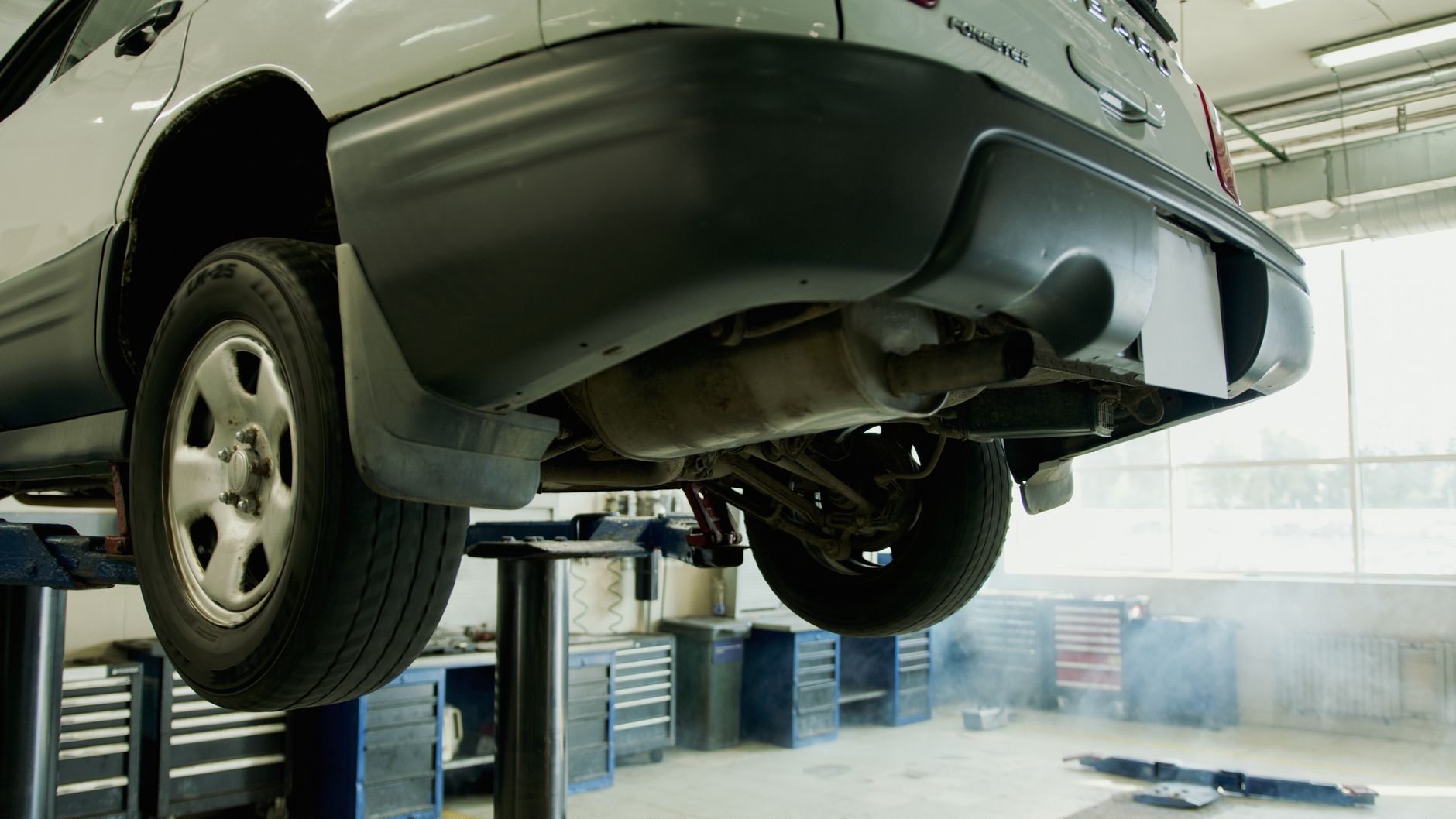
The undercarriage faces genuinely more demanding conditions than almost any other part of a vehicle, constantly exposed to road debris, moisture, and the general wear that comes from its close proximity to the road surface throughout every single journey a vehicle undertakes.
Understanding practical strategies for extending undercarriage life helps vehicle owners protect this critical, often overlooked component, avoiding the structural and safety issues that can develop when undercarriage condition receives insufficient attention compared to more visible aspects of vehicle maintenance.
Understanding Why the Undercarriage Deserves Special Attention
Unlike more visible vehicle components that owners naturally notice and address when problems develop, undercarriage issues often progress unnoticed until they become genuinely serious, making proactive attention to this area particularly important compared to components that provide more obvious, immediate feedback when problems begin developing.
This tendency toward unnoticed deterioration means undercarriage protection genuinely benefits from proactive, scheduled attention rather than the reactive approach that might work adequately for more visible components where developing problems are considerably easier to notice and address promptly.
Regular Cleaning to Remove Corrosive Debris
Regular washing, specifically targeting the undercarriage rather than just visible exterior surfaces, removes accumulated road salt, mud, and other corrosive debris before these materials have extended opportunity to contribute to gradual rust and corrosion development across various undercarriage components.
This cleaning becomes particularly important following exposure to conditions like coastal driving, unsealed roads, or areas where road treatment chemicals are commonly used, since these specific conditions significantly accelerate the accumulation of materials that genuinely threaten long-term undercarriage condition and structural integrity.
Applying Quality Protective Coating
A quality chassis protection coating provides a genuinely effective barrier against moisture and corrosive materials, significantly extending undercarriage life compared to leaving this vulnerable area without this additional layer of proactive protection against the harsh conditions it regularly encounters.
This protective investment pays genuine dividends over time, particularly for vehicles regularly exposed to challenging conditions, by preventing the kind of gradual corrosion damage that can otherwise compromise structural integrity and significantly reduce a vehicle's overall safe operational lifespan.
Conducting Regular Visual Inspections
Periodic visual inspection of the undercarriage, ideally as part of regular vehicle servicing, helps catch developing issues while they remain manageable, rather than allowing problems to progress unnoticed until they require considerably more extensive and expensive remediation to properly address.
This inspection habit, while requiring some deliberate effort given the undercarriage's inherently less visible location, provides valuable early warning that supports timely intervention before minor issues develop into genuinely serious structural or safety concerns requiring far more significant repair work.
Being Mindful of Driving Conditions and Habits
Certain driving habits and conditions place genuinely elevated stress on the undercarriage, including regular unsealed road driving, deep water crossings, or consistently aggressive driving over speed bumps and rough surfaces that could otherwise be navigated more carefully to reduce unnecessary impact and wear.
Being genuinely mindful of these factors, adjusting driving approach where practical to reduce unnecessary undercarriage stress, contributes meaningfully to extended component life alongside the more direct protective measures like coating and regular cleaning already discussed throughout this broader protective approach.
Addressing Damage Promptly When It Occurs
Any damage to protective coatings or undercarriage components, whether from road debris impact or general wear, deserves prompt attention rather than being left unaddressed, since exposed areas without proper protection become genuinely vulnerable to accelerated corrosion and further damage over time.
Establishing a habit of prompt attention to any identified damage, rather than deferring repairs until convenient, protects the broader investment already made in undercarriage protection and prevents minor, easily addressed issues from developing into considerably more significant and expensive structural problems.
Budgeting for Ongoing Undercarriage Care
Treating undercarriage protection and maintenance as an ongoing budget item, rather than an occasional unexpected expense, helps ensure this genuinely important area receives consistent attention throughout the vehicle's operational life rather than being deprioritised when other, more visible expenses compete for limited maintenance budget.
This consistent budgeting approach, while requiring some upfront planning, ultimately proves more cost-effective than reactive spending on more extensive repairs that inadequate ongoing care and protection can otherwise make considerably more likely over the vehicle's lifetime of regular use.
Extending your vehicle's undercarriage life involves regular cleaning to remove corrosive debris, applying quality protective coating, conducting periodic visual inspections, being mindful of driving conditions, and addressing any damage promptly when it occurs. Together, these practices significantly protect this critical, often overlooked vehicle component.
For vehicle owners genuinely committed to maximising their vehicle's operational life and resale value, giving the undercarriage this proactive attention provides meaningful protection against the gradual deterioration that inadequate care in this specific area can otherwise cause over years of regular vehicle use.