
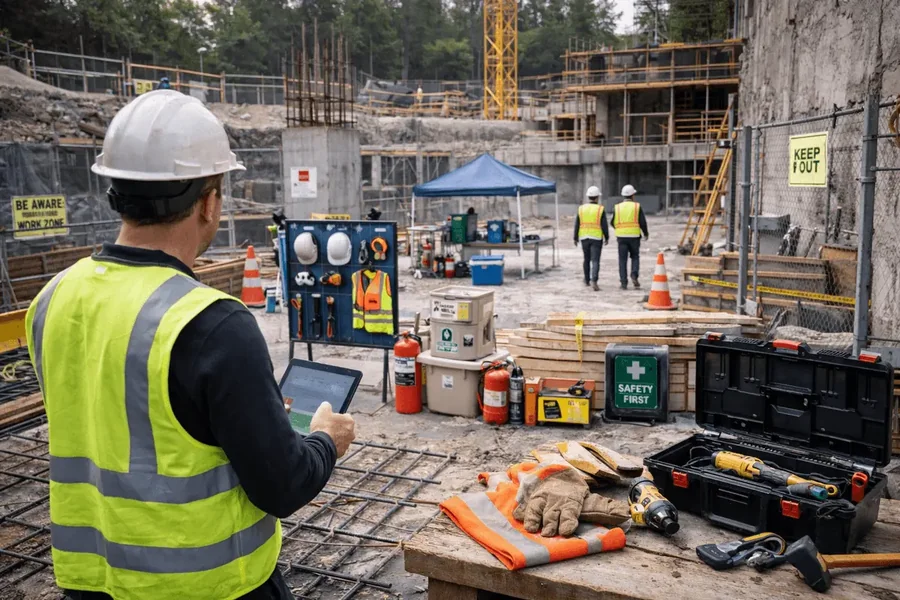
A well-equipped construction site is the foundation of a successful building project. Whether constructing a residential property, commercial building, road, or major infrastructure development, having the correct equipment, materials, and safety systems in place ensures that work is completed efficiently, safely, and according to schedule. Proper site preparation and equipment selection can reduce delays, improve productivity, and create a safer working environment for everyone involved.
Equipping a construction site involves much more than simply delivering tools and machinery to the location. It requires careful planning, an understanding of the project requirements, and effective management of resources. A well-organized site allows workers to complete tasks efficiently while reducing risks and avoiding unnecessary interruptions.
Planning and Preparing the Construction Site
Before construction begins, the site must be carefully assessed and prepared. This process may involve clearing the land, establishing access routes, identifying storage areas, and arranging essential services such as electricity and water. A detailed site layout plan helps determine where equipment, materials, offices, and safety facilities should be positioned.
Effective planning improves workflow and prevents problems during construction. For example, locating storage areas too far from working zones can waste time and increase transportation costs. Similarly, poor placement of heavy machinery can create safety hazards and restrict movement around the site. A well-planned layout ensures that workers, vehicles, and equipment can operate efficiently.
Heavy Construction Equipment
Heavy machinery plays a vital role in modern construction projects. The equipment required depends on the size, location, and complexity of the work being carried out. Common examples include excavators, cranes, bulldozers, loaders, and forklifts.
Excavators are widely used for digging foundations, trenches, and drainage systems. Bulldozers help clear land, level surfaces, and move large quantities of earth. Cranes are essential for lifting heavy materials such as steel structures, concrete sections, and other large components. Loaders and forklifts assist with moving materials around the site, reducing manual labor and improving efficiency.
Choosing the right machinery is important because unsuitable equipment can increase costs and create operational difficulties. Construction managers must consider factors such as site conditions, project requirements, equipment capacity, and maintenance needs before selecting machinery.
Hand Tools and Small Equipment
While large machinery completes many major construction activities, hand tools and smaller equipment remain essential. Workers depend on tools such as hammers, drills, saws, measuring equipment, welding tools, and power tools to complete detailed tasks and finishing work.
Small equipment must be regularly inspected and maintained to ensure safe operation. Damaged or poorly maintained tools can slow progress and increase the risk of accidents. Construction companies should also maintain sufficient supplies of consumable items, including fasteners, cutting materials, replacement parts, and protective coverings, to prevent unnecessary delays.
Safety Equipment and Protection Systems
Safety is one of the most important aspects of equipping a construction site. Construction environments often involve hazards such as moving machinery, electrical systems, working at height, and handling heavy materials. Providing suitable safety equipment helps protect workers and supports compliance with workplace regulations.
Personal protective equipment (PPE) should be available for all workers and visitors entering the site. Common PPE includes hard hats, safety footwear, gloves, high-visibility clothing, eye protection, and hearing protection. Depending on the type of construction work, additional protective equipment may be required.
Beyond personal protection, construction sites should include safety systems such as warning signs, barriers, emergency equipment, secure walkways, and clearly marked working areas. Regular safety training ensures that workers understand site procedures and know how to operate equipment correctly.
Temporary Facilities and Site Services
Construction projects require temporary facilities to support daily operations. Site offices provide space for managers, engineers, and supervisors to coordinate activities, store documents, and monitor progress. Storage units and secure areas help protect tools and materials from theft or weather damage.
Worker welfare facilities are also essential. Toilets, rest areas, changing facilities, and drinking water supplies contribute to a healthier and more productive workplace. Providing suitable facilities helps improve worker satisfaction and supports better performance.
Reliable temporary services are another key requirement. Electrical systems provide power for lighting, machinery, and tools, while water supplies support construction activities and general site needs. These systems must be installed and maintained correctly to prevent hazards.
Material Storage and Handling
Efficient storage and handling of materials are critical for maintaining productivity on a construction site. Materials should be stored in organized areas where they are protected from damage and easily accessible when required.
Heavy materials should be positioned on stable surfaces, while items that can be affected by moisture or weather conditions should be properly protected. Good storage practices reduce waste, prevent damage, and ensure that workers can quickly access the materials they need.
Safe transportation of materials is equally important. Many construction projects rely on lifting equipment to move heavy loads safely and efficiently. For example, professional forklift hire can provide construction companies with access to reliable lifting equipment without the expense of purchasing and maintaining their own machines.
Technology in Modern Construction Sites
Technology has become increasingly important in improving construction efficiency and safety. Digital project management systems allow teams to monitor progress, manage schedules, and communicate more effectively. Drones and advanced surveying tools help improve accuracy during planning and construction stages.
Equipment tracking systems can monitor machinery usage, maintenance requirements, and location, helping companies reduce downtime and control operating costs. Building information modeling (BIM) allows construction teams to create digital representations of projects, improving coordination and reducing errors before work begins.
Equipping a construction site requires careful planning, suitable machinery, reliable tools, effective safety measures, and efficient resource management. Every part of the site setup contributes to successful project completion, from heavy equipment and material storage systems to worker facilities and modern technology.
A properly equipped construction site improves productivity, protects workers, and helps projects remain on schedule and within budget. By investing in the right equipment and maintaining organized working conditions, construction companies can create safer and more efficient environments that support long-term success.