
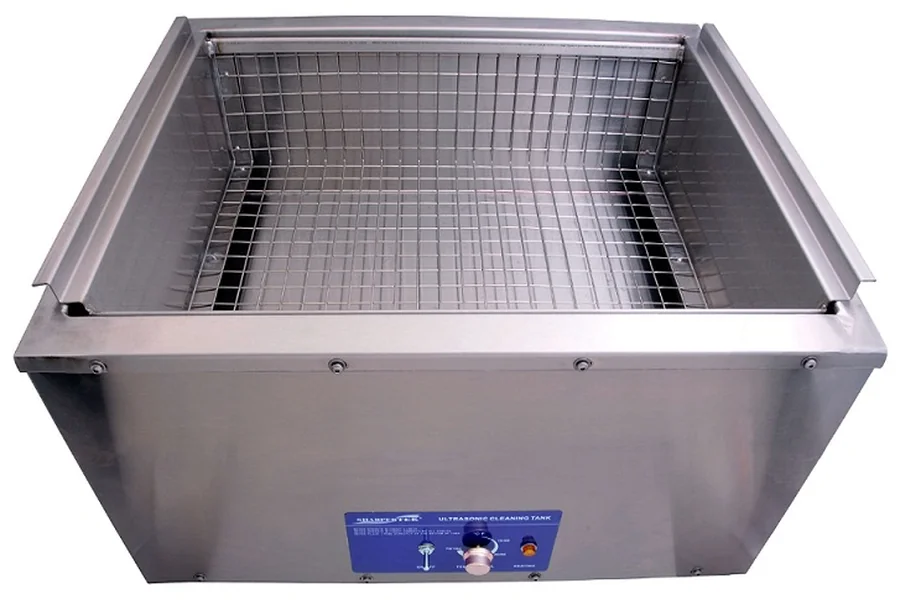
Ultrasonic cleaning is a powerful cleaning method that uses high-frequency sound waves and a liquid cleaning solution to remove dirt, oils, contaminants, and microscopic particles from objects. Unlike traditional cleaning methods that rely on scrubbing, brushing, or soaking, ultrasonic cleaning can reach small gaps, cracks, and complex surfaces that are difficult to clean by hand. Because of its precision and efficiency, ultrasonic cleaning is used across a wide range of industries, from healthcare and manufacturing to jewellery and automotive maintenance.
The process works through a phenomenon called cavitation. When ultrasonic waves pass through a cleaning liquid, they create millions of tiny bubbles that rapidly form and collapse. These imploding bubbles produce small but powerful forces that dislodge contaminants from the surface of an object. This allows ultrasonic cleaners to thoroughly clean intricate components without damaging delicate materials.
Medical and Healthcare Applications
One of the most important uses of ultrasonic cleaning is in healthcare, particularly for cleaning surgical instruments and medical equipment. Hospitals and laboratories rely on ultrasonic cleaners to remove biological residues, blood, and other contaminants before instruments are sterilised.
Surgical tools often contain joints, grooves, and narrow spaces where manual cleaning may be difficult. Ultrasonic cleaning helps ensure that these areas are properly cleaned, improving the effectiveness of sterilisation procedures. Dental clinics also use ultrasonic cleaners for instruments such as dental tools and orthodontic equipment.
In addition to surgical instruments, ultrasonic technology is used for cleaning laboratory equipment, precision medical parts, and devices that require a high standard of cleanliness.
Jewellery and Watch Cleaning
Jewellery is another common application for ultrasonic cleaning. Rings, necklaces, bracelets, and other items can collect oils, dust, cosmetics, and everyday grime in areas that are difficult to reach with traditional cleaning methods.
Jewellers use ultrasonic cleaners because the process can restore shine and remove embedded dirt without aggressive polishing. The cleaning action reaches behind gemstones, inside settings, and around small decorative details. This makes ultrasonic cleaning especially useful for intricate pieces with complex designs.
However, not all jewellery is suitable for ultrasonic cleaning. Certain gemstones, delicate settings, antique pieces, and materials with internal fractures may require alternative cleaning methods. Professionals typically assess the item before placing it in an ultrasonic cleaner.
Industrial Manufacturing and Engineering
Manufacturing industries frequently use ultrasonic cleaning to prepare components for assembly, coating, inspection, or further processing. Precision parts used in aerospace, electronics, automotive, and mechanical engineering often need to be free from oils, metal particles, and manufacturing residues. Commercial Ultrasonic Cleaners are widely used in these industries because they provide powerful, consistent cleaning performance for complex components while reducing the need for manual labour and improving production efficiency.
For example, machined metal components may contain traces of cutting fluids or debris left behind during production. Ultrasonic cleaning can remove these contaminants quickly and consistently, helping manufacturers maintain quality standards.
The electronics industry also benefits from ultrasonic cleaning when cleaning circuit boards, connectors, and small electronic components. The ability to clean complex shapes makes ultrasonic technology valuable for parts that cannot easily be cleaned manually.
Automotive and Mechanical Uses
Automotive professionals use ultrasonic cleaners for restoring and maintaining various engine and mechanical components. Parts such as carburettors, fuel injectors, valves, and small metal components can accumulate carbon deposits, grease, and fuel residues over time.
Ultrasonic cleaning allows these parts to be cleaned thoroughly without excessive brushing or harsh mechanical action. This can help restore performance and extend the lifespan of reusable components.
Motorcycle repair shops, restoration specialists, and hobbyists also use ultrasonic cleaners for smaller parts that require detailed cleaning.
Optical and Laboratory Equipment
Ultrasonic cleaning is widely used for precision optical equipment, including lenses, laboratory glassware, and scientific instruments. These items often require careful cleaning because even small particles or residues can affect performance and accuracy.
Laboratories use ultrasonic cleaners to remove contaminants from glass containers, analytical instruments, and specialised equipment. The controlled cleaning process reduces the risk of scratches or damage compared with manual cleaning methods.
Aerospace and High-Precision Industries
Industries that manufacture high-value, precision components often depend on ultrasonic cleaning because even microscopic contamination can affect reliability. Aerospace components, hydraulic parts, and precision instruments must meet strict cleanliness requirements.
Ultrasonic cleaning helps remove particles, lubricants, and processing residues from complex components before they are tested or installed. The method is valued because it provides consistent results and can be integrated into automated production systems.
When Should Ultrasonic Cleaning Be Chosen?
Ultrasonic cleaning is most useful when an item has intricate shapes, small openings, or surfaces that are difficult to reach. It is particularly suitable when:
- The object requires detailed cleaning rather than surface-level washing.
- Manual scrubbing would be time-consuming or ineffective.
- The item contains delicate components that could be damaged by aggressive cleaning.
- Consistent cleaning results are required for professional or industrial purposes.
- Small contaminants must be removed from complex parts.
It is commonly chosen for precision cleaning tasks where accuracy and reliability are more important than simply removing visible dirt.
Limitations of Ultrasonic Cleaning
Although ultrasonic cleaning is highly effective, it is not suitable for every object. Some materials may be damaged by ultrasonic energy or by certain cleaning solutions. Items with loose components, soft coatings, fragile finishes, or sensitive electronic parts may require special care.
The cleaning solution, temperature, frequency, and cleaning time must also be selected correctly for the specific application. Professional users often adjust these factors to achieve the best results while protecting the item being cleaned.
Ultrasonic cleaning is used whenever thorough, efficient, and precise cleaning is required. From medical instruments and jewellery to automotive parts and aerospace components, this technology provides a reliable way to remove contaminants from even the most complex surfaces. Its ability to clean areas that traditional methods cannot reach makes it an essential tool in many industries.
As technology continues to advance, ultrasonic cleaning is likely to become even more widely used, offering improved efficiency, better cleanliness standards, and safer cleaning solutions across professional and industrial applications.