
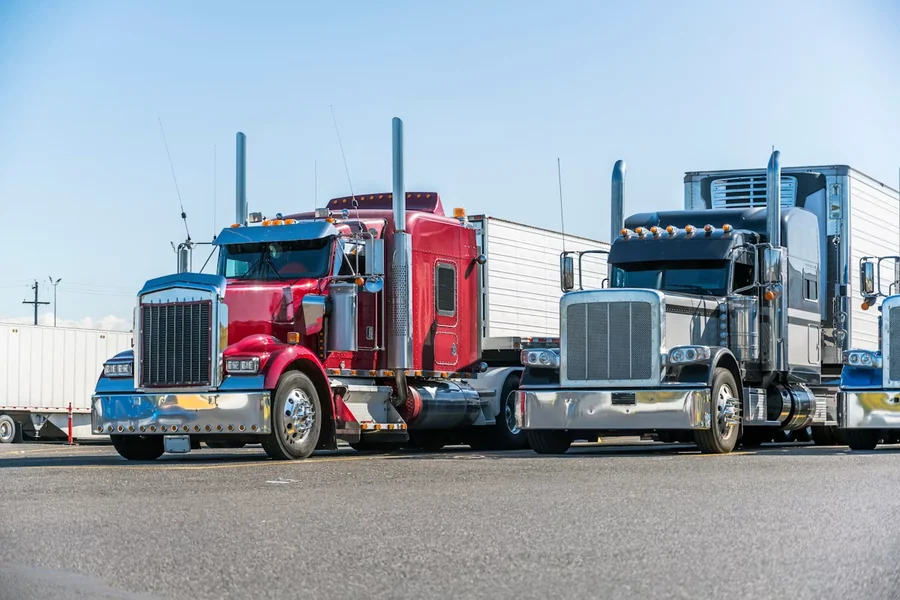
The trucking industry is entering a period of major transformation. By 2027, freight transportation will look very different from the traditional model of diesel-powered trucks, paper-based logistics, and manually managed routes. Advances in artificial intelligence (AI), automation, alternative fuels, connected vehicles, and changing regulations are reshaping how goods move around the world. While trucking will remain dependent on skilled professionals, the role of drivers, fleet managers, and logistics companies will continue to evolve.
Several key trends will define the trucking industry in 2027, including electrification, autonomous vehicle development, AI-powered logistics, improved safety systems, and new approaches to workforce management.
1. Growth of Electric and Alternative-Fuel Trucks
One of the biggest changes in trucking will be the continued transition toward cleaner energy. Governments, manufacturers, and logistics companies are under increasing pressure to reduce emissions, leading to greater investment in electric trucks, hydrogen fuel cells, and hybrid technologies. Regulations and environmental targets are expected to influence fleet purchasing decisions and accelerate cleaner vehicle adoption.
Electric trucks are expected to become more common in short-haul and regional delivery operations, where routes are predictable and charging infrastructure can be planned. Battery technology improvements will gradually increase driving range and reduce charging challenges. However, long-distance trucking will continue to face obstacles, including charging availability, battery weight, and higher upfront vehicle costs. Industry forecasts suggest that multiple powertrain solutions, including improved diesel, hybrid, and electric systems, will compete during the transition period.
As fleets adopt new powertrain technologies, attention will also increase on components such as truck tyres, with manufacturers developing more durable and fuel-efficient tyre solutions to improve vehicle performance, extend service life, and reduce operating costs.
By 2027, many fleets will likely operate mixed vehicle portfolios rather than relying on a single fuel type. Companies will choose vehicles based on route requirements, operating costs, and environmental goals.
2. Artificial Intelligence Becomes a Core Logistics Tool
Artificial intelligence will become one of the most important technologies in trucking. Instead of replacing every aspect of human decision-making, AI will increasingly support drivers, dispatchers, and fleet managers.
AI-powered systems will help companies optimize routes, predict maintenance needs, manage fuel usage, and improve delivery schedules. By analyzing traffic patterns, weather conditions, vehicle performance, and customer requirements, these systems can help reduce delays and operating expenses.
Predictive maintenance will also become more widespread. Trucks equipped with sensors will continuously monitor engines, brakes, tyres, and other components. Fleets will be able to identify potential problems before breakdowns occur, reducing downtime and repair costs.
For logistics companies, AI will improve supply chain visibility. Customers will increasingly expect real-time shipment tracking and accurate delivery predictions, making advanced data systems a competitive necessity.
3. Autonomous Trucking Moves Toward Commercial Use
Autonomous trucking will remain one of the most discussed developments in 2027. While fully driverless trucks will not immediately replace traditional trucking operations, automated systems will become increasingly common, especially on highways and controlled routes.
Self-driving technology is expected to have the greatest impact on hub-to-hub freight movement, where trucks travel between distribution centers along predictable routes. Autonomous trucks are likely to expand first in limited environments because urban delivery and complex routes create greater technical and regulatory challenges.
In the near term, automation will focus on driver assistance features such as improved cruise control, lane management, collision prevention, and automated parking. These technologies will improve safety and reduce driver fatigue.
The human role will also change. Instead of only operating vehicles, drivers may increasingly manage advanced systems, handle complex situations, and oversee technology-assisted transportation operations.
4. Connected Trucks and Digital Freight Networks
The trucking industry will become more connected through the expansion of Internet of Things (IoT) technology. Modern trucks are becoming mobile data centers, collecting information about location, performance, fuel efficiency, and cargo conditions.
In 2027, connected fleet systems will help companies make faster decisions. Fleet managers will have access to real-time information about every vehicle, allowing them to adjust routes, respond to problems, and improve efficiency.
Digital freight platforms will also continue growing. These systems connect carriers, shippers, and brokers, making it easier to match available trucks with shipments. Automated load management and electronic documentation will reduce administrative work and improve communication throughout the supply chain.
5. Greater Focus on Driver Recruitment and Retention
Despite technological advances, professional drivers will remain essential to the trucking industry. A shortage of qualified drivers continues to be a major concern, and companies will need new strategies to attract and retain workers.
In 2027, trucking companies will place greater emphasis on improving driver experiences. Better scheduling systems, improved safety technology, higher-quality equipment, and more predictable routes will become important tools for employee retention.
Training will also change. Drivers will need stronger technology skills as trucks become more automated and connected. Future training programs may focus not only on vehicle operation but also on digital systems, data tools, and advanced safety features.
6. Rising Importance of Efficiency and Cost Control
Economic pressure will remain a major factor shaping trucking in 2027. Fuel prices, equipment costs, insurance expenses, and regulatory requirements will force companies to find new ways to improve efficiency.
Fleet optimization will become a priority. Companies will use data analytics to determine the most profitable routes, reduce empty miles, and improve vehicle utilization. Equipment costs, regulatory changes, and freight market conditions will be important factors influencing fleet decisions.
Smaller trucking companies may increasingly rely on technology partnerships and digital tools to compete with larger fleets that have greater resources.
The trucking industry in 2027 will be defined by adaptation. Electric vehicles, artificial intelligence, automation, and digital networks will transform how freight is transported, but human expertise will remain a central part of the industry.
The companies that succeed will be those that combine technology with practical operations. Fleets that invest in cleaner vehicles, smarter logistics systems, durable truck tyres, and workforce development will be better prepared for the future.
Rather than disappearing, trucking will evolve into a more connected, efficient, and technology-driven industry that continues to serve as the foundation of global commerce.