

Running a shooting range, whether it’s a small private facility or a larger commercial operation, requires more than just open space and a backstop. The right equipment shapes both the safety and the overall experience for everyone who uses the facility, and getting the basics right makes a lasting difference.
Reliable Target Systems
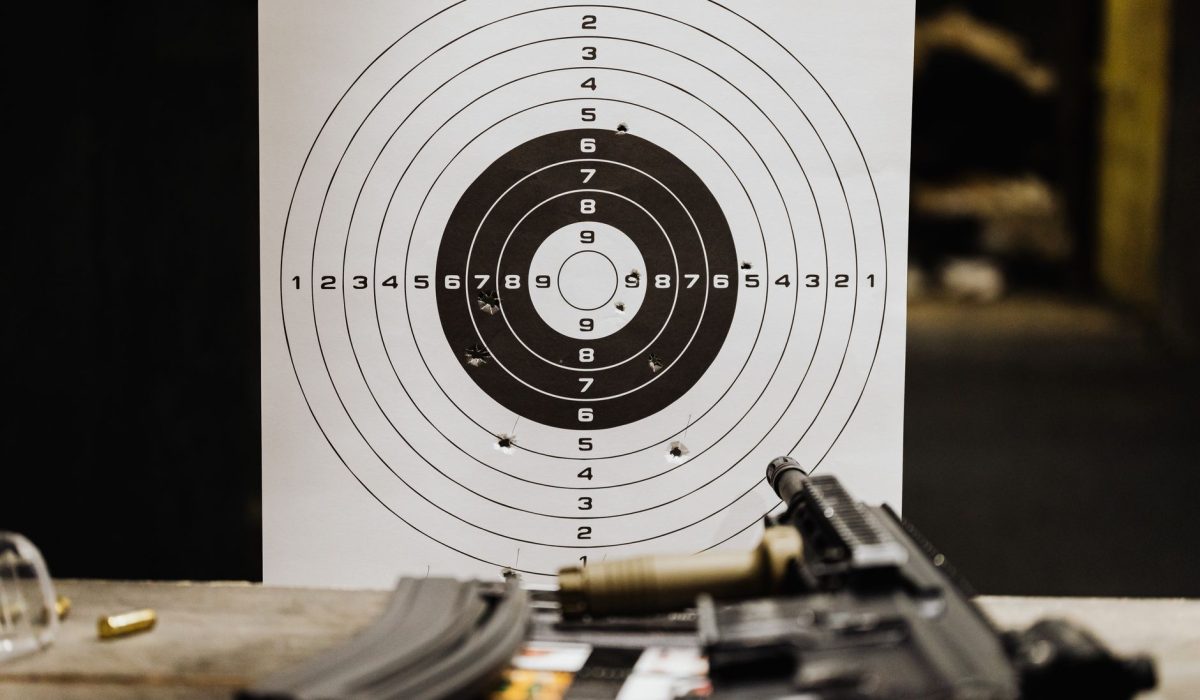
At the core of any range is its target setup, and this is an area where quality genuinely matters. A well-designed target system should be durable enough to withstand repeated use, easy to reset or adjust between sessions, and positioned in a way that supports clear, consistent scoring. Investing in solid shooting targets upfront saves on replacement costs and downtime later.
Proper Backstops and Containment
Safety starts with containment. A range needs backstops rated for the specific calibers being used, along with side and overhead protection where applicable. This isn’t an area to compromise on, since the consequences of inadequate containment can be serious for both users and anyone nearby.
Hearing and Eye Protection Stations
Even experienced shooters can forget protective gear occasionally, so having a stocked station with hearing protection and eye protection readily available removes any excuse for going without. This small addition reflects a broader commitment to safety culture at the facility.
Clear Signage and Range Rules
Posted rules, distance markers, and clear signage help maintain order and consistency, especially at ranges with regular turnover of different users. This reduces the burden on staff to constantly repeat the same instructions and helps prevent confusion during busy periods.
Maintenance Equipment On-Site
Having basic cleaning and maintenance supplies available, both for the range itself and for user firearms, adds convenience and encourages good habits among regular visitors. A well-maintained range also tends to see less wear on its own infrastructure over time.
Building a Facility People Trust
A shooting range that invests properly in its equipment builds a reputation that keeps people coming back. Attention to detail across target systems, containment, protective gear, and general upkeep all contribute to a facility that feels professional and genuinely safe to use.
Ongoing Inspection Routines
Equipment doesn’t stay reliable on its own. Establishing a regular inspection routine, particularly for high-wear items like target mechanisms and containment structures, catches problems before they compromise safety. A facility that treats inspection as routine rather than occasional tends to avoid the kind of equipment failures that damage both reputation and trust.
Investing in Upgrades Over Time
As range technology improves, older equipment can start to feel dated compared to what competing facilities offer. Setting aside a portion of revenue for periodic upgrades, rather than running equipment until it fails completely, keeps a facility competitive and shows regular users that the operator is invested in their experience long-term.
Training Staff to Support Equipment Longevity
Well-trained staff can meaningfully extend the working life of range equipment simply by using and maintaining it correctly. Teaching new employees proper handling procedures for target systems and other shared equipment reduces unnecessary wear and keeps replacement costs lower than they’d otherwise be over time.
Listening to Regular Users for Feedback
The people who visit a range most often are often the best source of insight into what’s working and what isn’t. Actively soliciting feedback about equipment condition and usability, rather than waiting for complaints, helps operators catch small issues before they affect the broader user experience.
Balancing Budget Against Safety Priorities
Every facility operates with finite resources, and it’s tempting to defer equipment spending during leaner periods. However, treating safety-related equipment as a fixed priority, separate from more discretionary spending, protects both users and the long-term reputation of the range regardless of broader budget pressures.
Setting the Standard for the Industry
Ranges that consistently invest in quality equipment help raise expectations across the wider shooting community, encouraging other facilities to follow suit. This kind of quiet leadership benefits the sport as a whole, not just the individual facility that chooses to prioritize it.
Balancing New Users With Experienced Regulars
A well-equipped range serves both newcomers who need clear guidance and experienced shooters who expect efficient, reliable equipment. Designing the facility and its equipment with both groups in mind, rather than favoring one at the expense of the other, helps build a broader, more sustainable membership base over time.
The Long-Term Payoff of Getting It Right
Facilities that get their equipment fundamentals right early tend to spend less time firefighting problems later, freeing up resources to focus on genuine improvement rather than constant patchwork fixes to shooting targets, containment, or general infrastructure that was never quite adequate to begin with.
Making Safety the Foundation of Everything Else
Ultimately, every equipment decision a range makes should trace back to a simple question: does this make the facility safer and more reliable for the people using it? Keeping that question central, rather than letting cost or convenience quietly take priority, is what separates a genuinely trustworthy range from one that merely looks the part.