

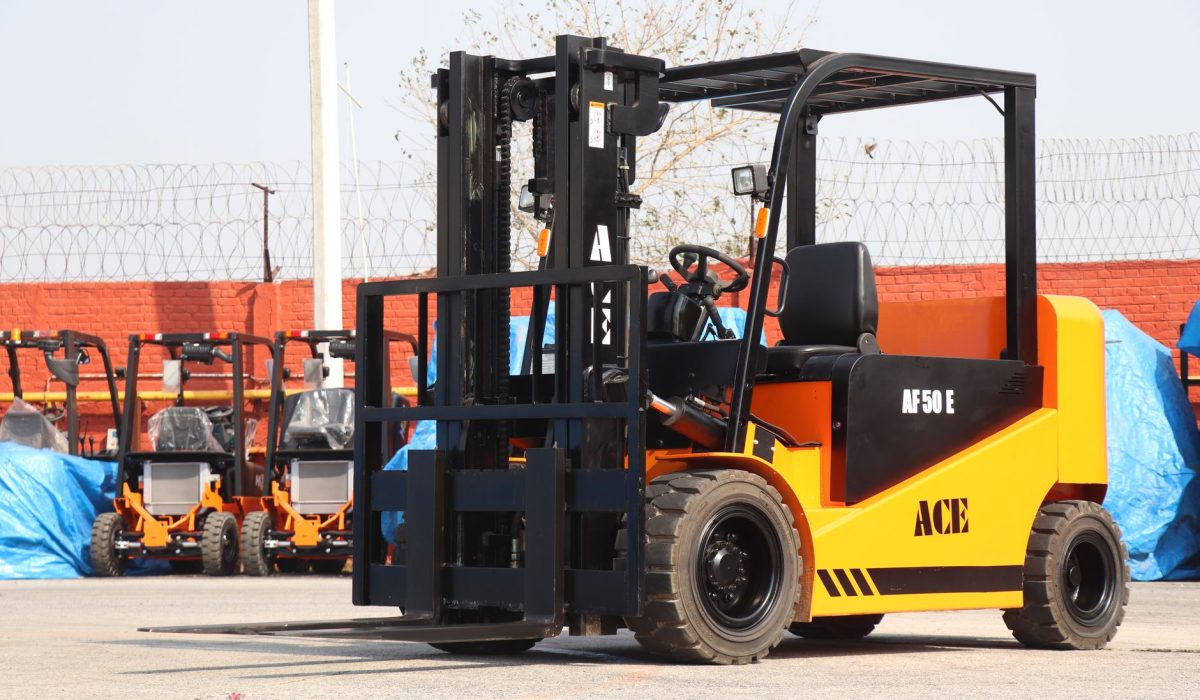
For businesses that have decided ownership makes more sense than renting, the next major decision is whether to buy new or used. Both paths have genuine advantages, and the right choice depends heavily on your specific operational needs and budget.
The Case for Buying New
A new forklift comes with the reassurance of a full manufacturer warranty, the latest safety features, and no unknown history to worry about. For businesses running equipment intensively, this reliability can be worth the higher upfront cost, particularly if downtime would be especially costly.
The Case for Buying Used
A well-maintained used forklift can offer significant savings without necessarily sacrificing much in terms of reliability, provided it’s been properly inspected and comes with a documented service history. For businesses with lighter or less frequent usage needs, this can be the more sensible financial choice.
What to Check Before Committing
Regardless of whether you’re looking at a forklift for sale as new or used stock, certain checks matter regardless of age — hour meter readings, hydraulic system condition, tire wear, and any signs of previous accident damage. A thorough inspection, ideally by someone with mechanical expertise, protects against costly surprises after purchase.
Considering Total Cost of Ownership
The purchase price is only part of the equation. Factor in expected maintenance costs, fuel or battery type, and how readily available parts are for the specific model you’re considering. A cheaper used unit with hard-to-find parts can end up costing more over time than a slightly pricier alternative.
Matching Capacity to Your Actual Needs
It’s easy to be tempted by a higher-capacity unit “just in case,” but oversized equipment often means unnecessary fuel or energy costs and reduced maneuverability in tighter spaces. Buying based on your realistic, typical load requirements tends to serve businesses better long-term.
Making a Decision You Won’t Regret
Whether you land on new or used, taking the time to properly evaluate your options — rather than rushing into whichever unit happens to be available first — leads to a purchase that genuinely serves your business rather than one you’re stuck reconsidering within the first year.
Timing Your Purchase Strategically
Prices and availability for both new and used equipment can fluctuate based on seasonal demand and broader market conditions. Businesses with some flexibility on timing sometimes find meaningfully better deals by waiting for the right moment, rather than purchasing under time pressure when a specific model happens to be in short supply and prices are inflated as a result.
Involving Your Operators in the Decision
The people who will actually use the equipment day to day often have valuable insight into what matters most in practice, from visibility and comfort to how a particular model handles in your specific warehouse conditions. Including them in the decision, rather than choosing based purely on specifications, tends to lead to better long-term satisfaction with the purchase.
Considering Resale Value From the Start
Even when buying for long-term use, it’s worth thinking ahead to resale value. Certain brands and models tend to hold their value better than others, which can meaningfully affect the total cost of ownership if you plan to upgrade or replace the equipment down the line.
Reading the Fine Print on Warranties
Whether buying new or used, warranty terms can vary considerably between sellers, and it’s worth reading the details carefully rather than assuming coverage is standard across the board. Understanding exactly what’s covered, and for how long, protects you from unexpected repair costs shortly after a purchase you assumed was fully protected.
Trusting Your Overall Impression, Not Just the Specs
Numbers on a spec sheet only tell part of the story. How a machine feels to operate, how a seller communicates throughout the process, and how confident you feel in the transaction overall all matter just as much as the technical details when making a final decision.
A Purchase That Should Serve You for Years
A forklift purchase, done thoughtfully, is an investment that should support your operation reliably for years to come. Taking the extra time upfront to weigh new versus used carefully pays off many times over compared to a rushed decision made purely on availability or price.
Settling on the Right Fit With Confidence
Whichever direction you land on, the goal is the same — equipment that genuinely fits your operation’s needs, budget, and expectations, rather than a compromise you find yourself reconsidering within the first few months of ownership. Getting there simply takes a bit of patience and a willingness to ask the right questions along the way.